Realty8 Investor Guide Series: Rooming Accommodation in Queensland
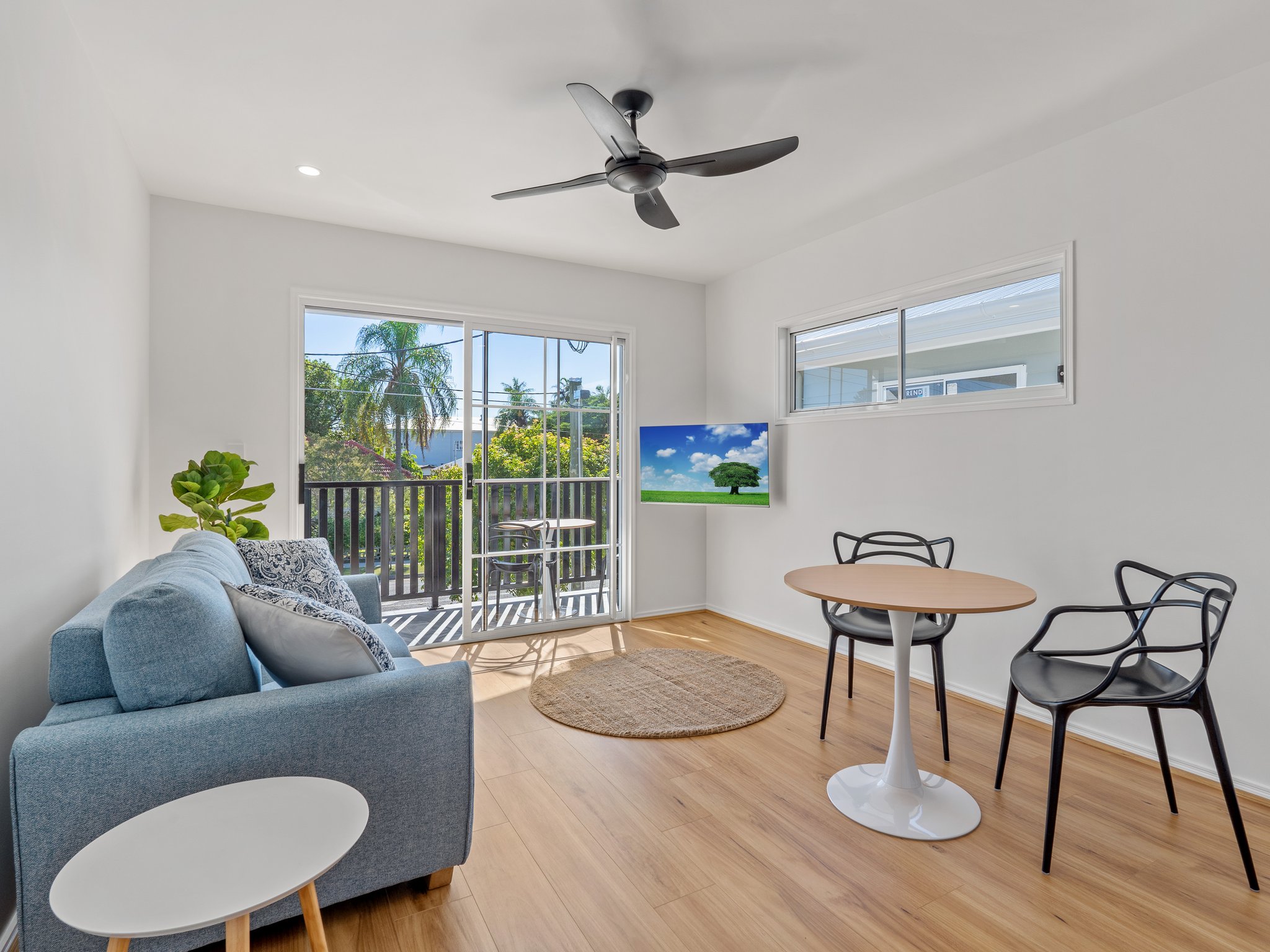 Rooming accommodation has become increasingly popular throughout Queensland as investors look for higher-yield property strategies and affordable housing demand continues to rise.
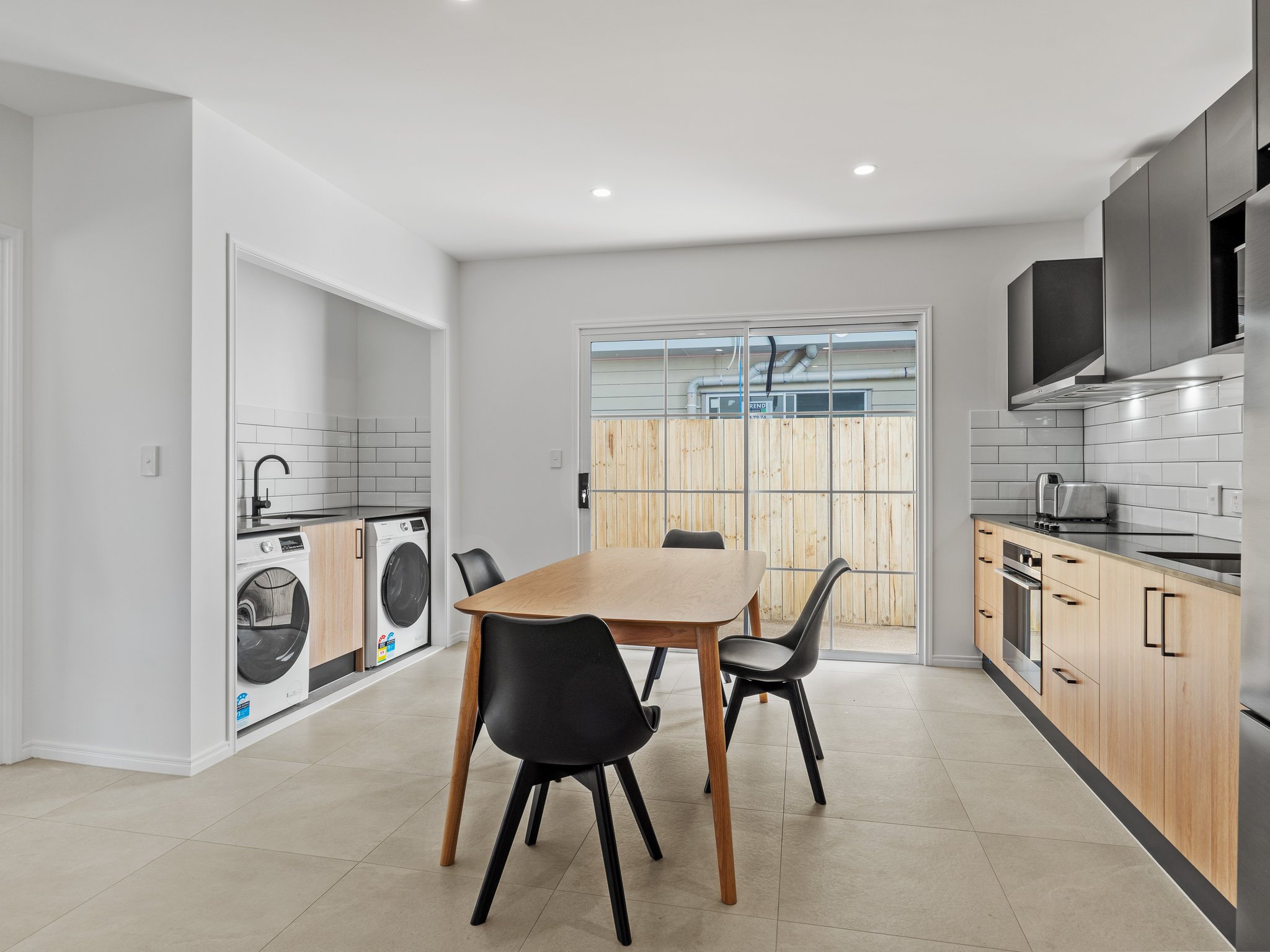
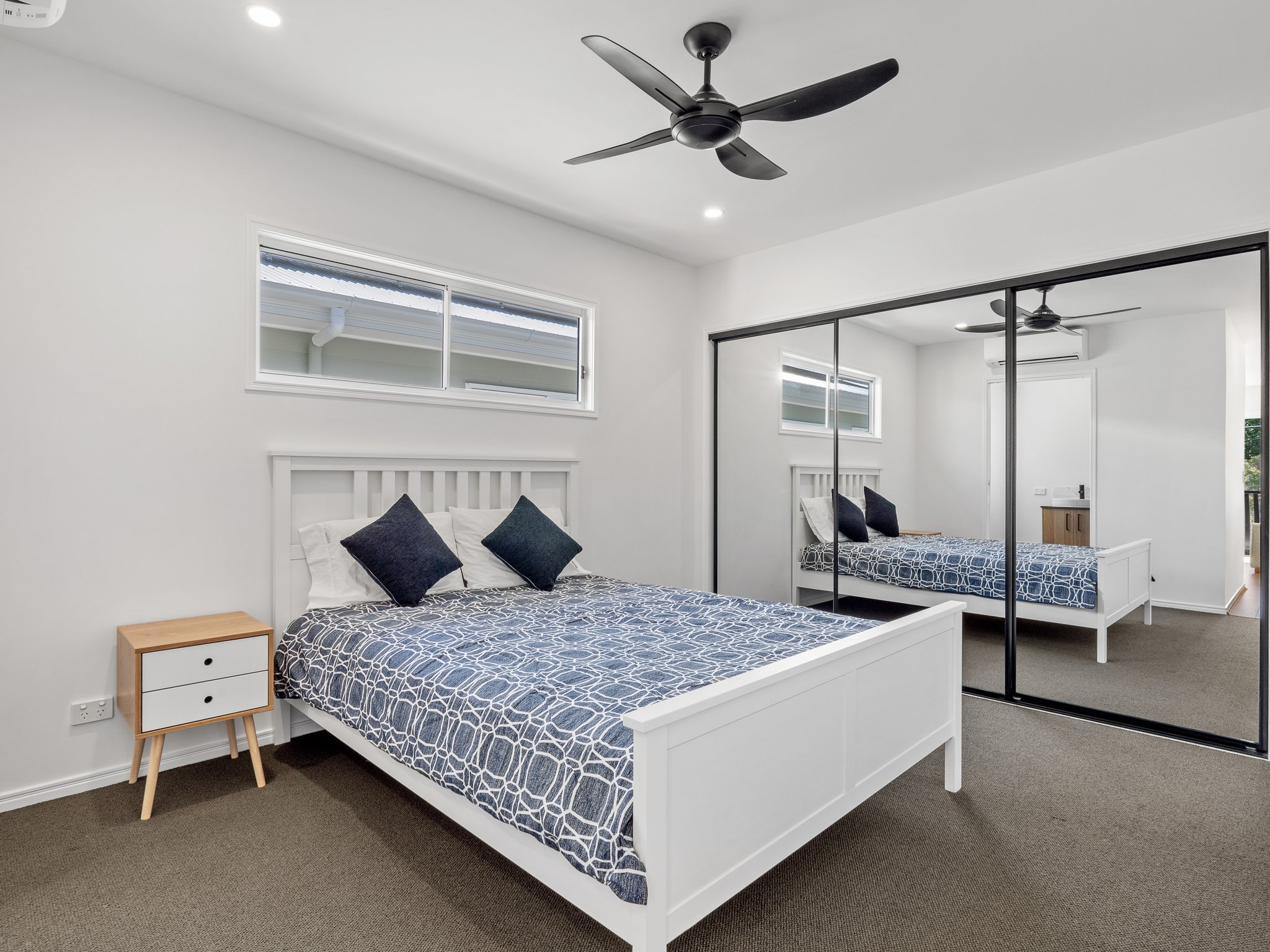
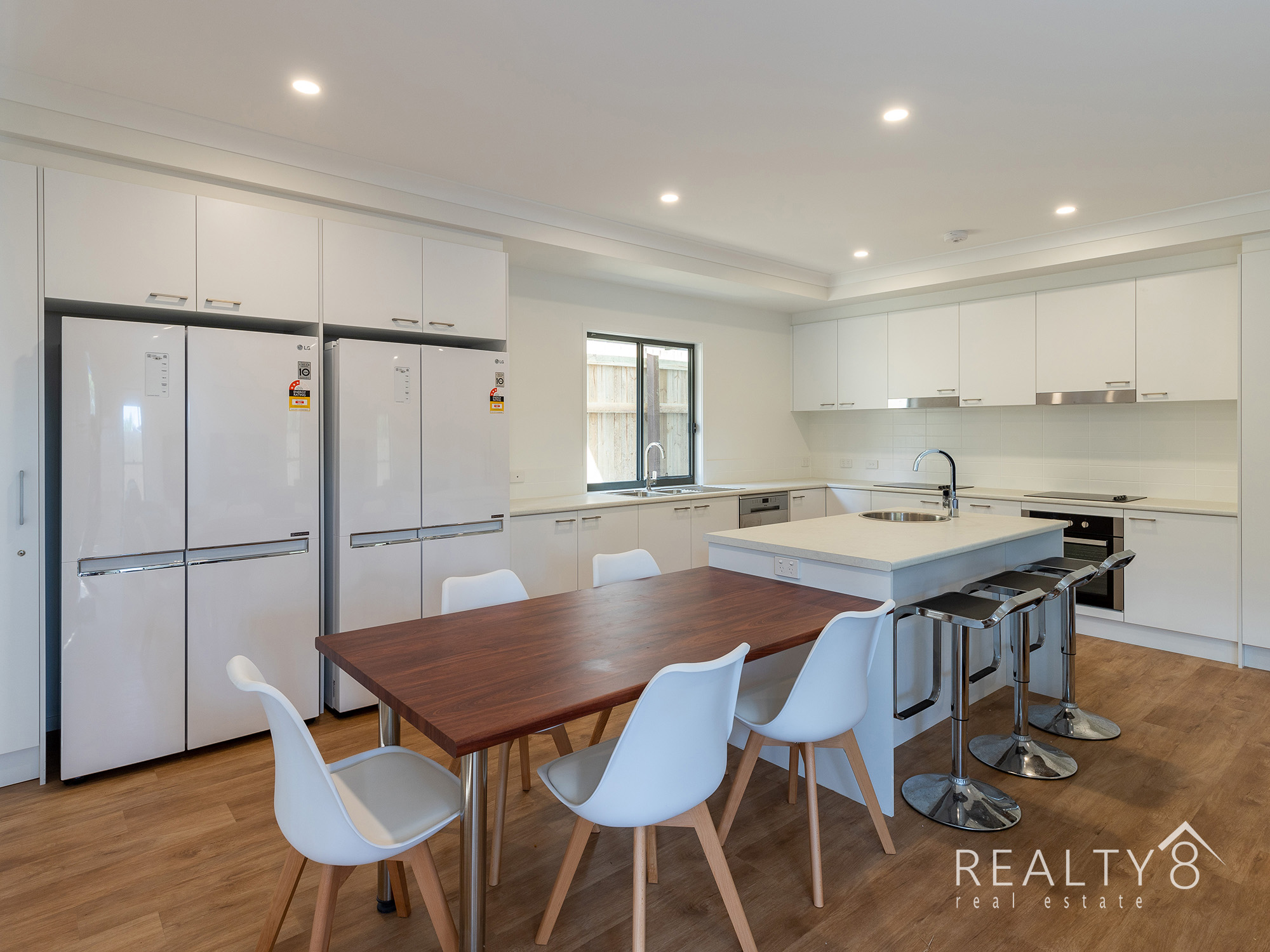
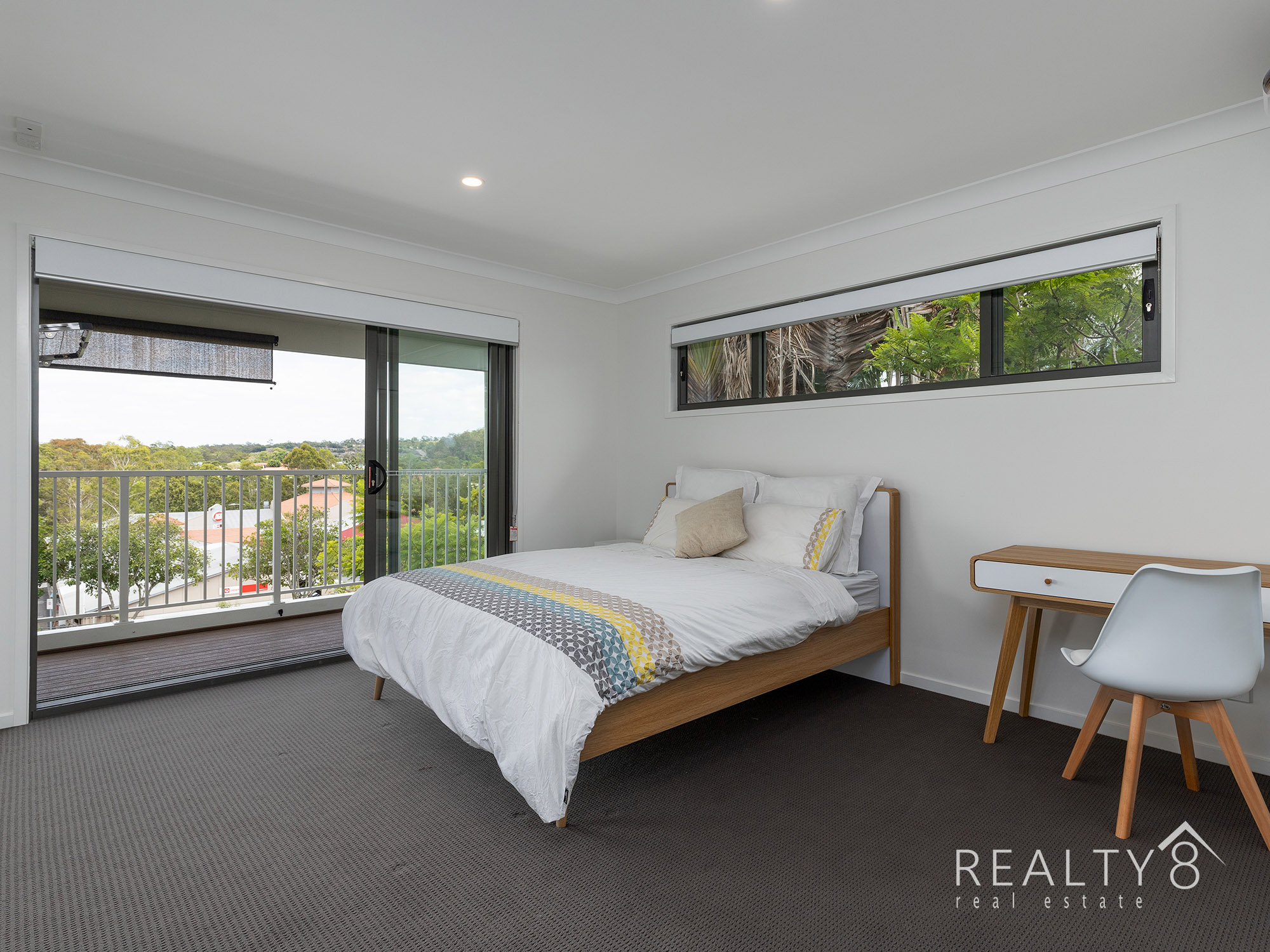
In simple terms, rooming accommodation generally refers to a property where residents rent individual rooms while sharing common areas such as kitchens, bathrooms, laundries, and living spaces. Common examples include boarding houses, student accommodation, worker accommodation, and managed share houses.
Unlike a standard residential tenancy where one tenant or family rents the entire property under a single lease, rooming accommodation often involves multiple unrelated occupants living independently within the same property.
Why Investors Are Interested in Rooming Accommodation
Many investors are attracted to rooming accommodation because it can potentially generate stronger rental returns than a traditional residential lease. Demand is often strongest near universities, hospitals, public transport, and major employment hubs, particularly throughout Brisbane.
Residents may include:
- University students
- Young professionals
- Temporary workers
- International students
- Residents seeking affordable housing
However, higher rental yields also come with increased operational responsibilities and significantly more compliance obligations.
 Rooming Accommodation Is More Regulated Than Many Investors Realise
One of the biggest misconceptions is that rooming accommodation is simply “a share house.”
In reality, Queensland has a complex regulatory framework that may apply depending on how the property operates.
Rooming accommodation may involve compliance with:
- Local council planning requirements
- Residential tenancy and occupancy laws
- Residential Services accreditation
- Fire safety requirements
- Queensland Development Code provisions such as MP 5.9
- Building classification requirements
Importantly, the legal position often depends on factors such as:
- The number of residents
- Whether rooms are rented individually
- Whether occupants are unrelated
- The operational structure of the property
This means two properties that look very similar may fall into completely different compliance categories.
 Fire Safety and Compliance Are Critical
Fire safety is one of the most important compliance areas for rooming accommodation operators.
Depending on the setup, operators may need to consider:
- Interconnected smoke alarms
- Emergency exits
- Fire extinguishers
- Evacuation procedures
- Building compliance requirements
As occupancy numbers increase, additional regulatory obligations may also apply, including Residential Services registration and accreditation requirements.
This is why investors should never assume that simply renting rooms individually automatically complies with Queensland law.
Final Thoughts
 Rooming accommodation can offer strong investment opportunities in Queensland, particularly in areas with high demand for affordable shared housing. However, it is also one of the more heavily regulated sectors of the residential property market. Before purchasing, converting, or operating a rooming accommodation property, investors should seek professional advice regarding planning requirements, fire safety, building compliance, and operational obligations.
In our next article, we will explore the broader compliance framework surrounding rooming accommodation in Queensland, including council requirements, Residential Services accreditation, and MP 5.9 compliance.
Disclaimer: This article is intended for general informational purposes only and should not be considered legal, planning, building, or compliance advice. Investors should seek independent professional advice regarding their specific circumstances.